Before You File
Should You Sue? Five Honest Questions to Ask First
Sometimes filing is clearly the right move. Sometimes the smarter, cheaper win is the letter you send the week before.
By The CaseBySelf Team · 2026-04-25 · 6 min read
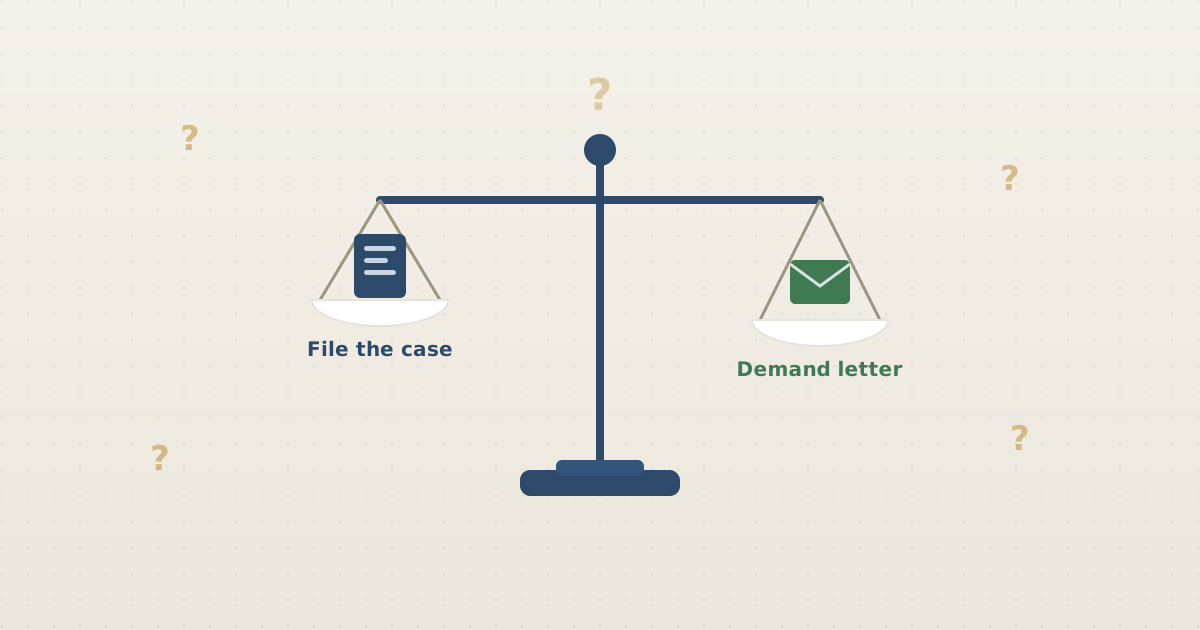
Filing a small-claims case is cheap and accessible by design, which is exactly why it is worth pausing before you do it. The fee is low, but your time is not, and a judgment you cannot collect is a hollow victory. Before you file, walk your dispute through five honest questions. They take ten minutes and they save many people a wasted month.
1. Can you prove it?
Not "do you know you are right," but "can you show it." If your case rests on a handshake with no texts, no receipts, and no witnesses, you may be right and still lose. Before filing, lay your evidence on the table, literally, and ask whether a stranger would be convinced by it. If the answer is shaky, your first job is to gather more, not to file.
2. Did you actually lose money?
Small claims compensates real, measurable loss. Being treated badly, being lied to, or being inconvenienced may be genuinely wrong and still not translate into a number a court can award. If you cannot point to dollars that left your account, the case may not fit the forum, however justified your anger.
3. Is it within the limit and the deadline?
Two clocks and one ceiling govern your case. The amount has to fit under your state's dollar limit, and the claim has to be filed within the statute of limitations, the window of years during which you are allowed to sue at all. Miss the deadline and the defendant can usually get even the strongest case dismissed. Confirm both before you invest further.
4. Have you sent the demand letter?
A clear, calm demand letter, stating what you are owed, why, and that you are prepared to file, resolves a remarkable number of disputes without a courtroom. Many people pay the moment they realize you are serious. Some states even expect a demand before you file. It is the cheapest tool you have, and it often works.
The best lawsuit is often the one a single well-written letter makes unnecessary.
5. Is it worth your time?
Be honest about the cost in hours and attention. A $300 claim that will consume two evenings and a morning off work may not be worth pursuing, even if you would win. Conversely, a clear $4,000 claim against a collectible defendant almost always is. Weigh the realistic payoff against what the process will actually take out of you.
If your dispute clears all five, you are in strong shape to file. If it stumbles on one or two, that is not a no. It is a map of what to fix first.